 ZIRCONIA UKRAINE
Generations of research. A new engineering step.
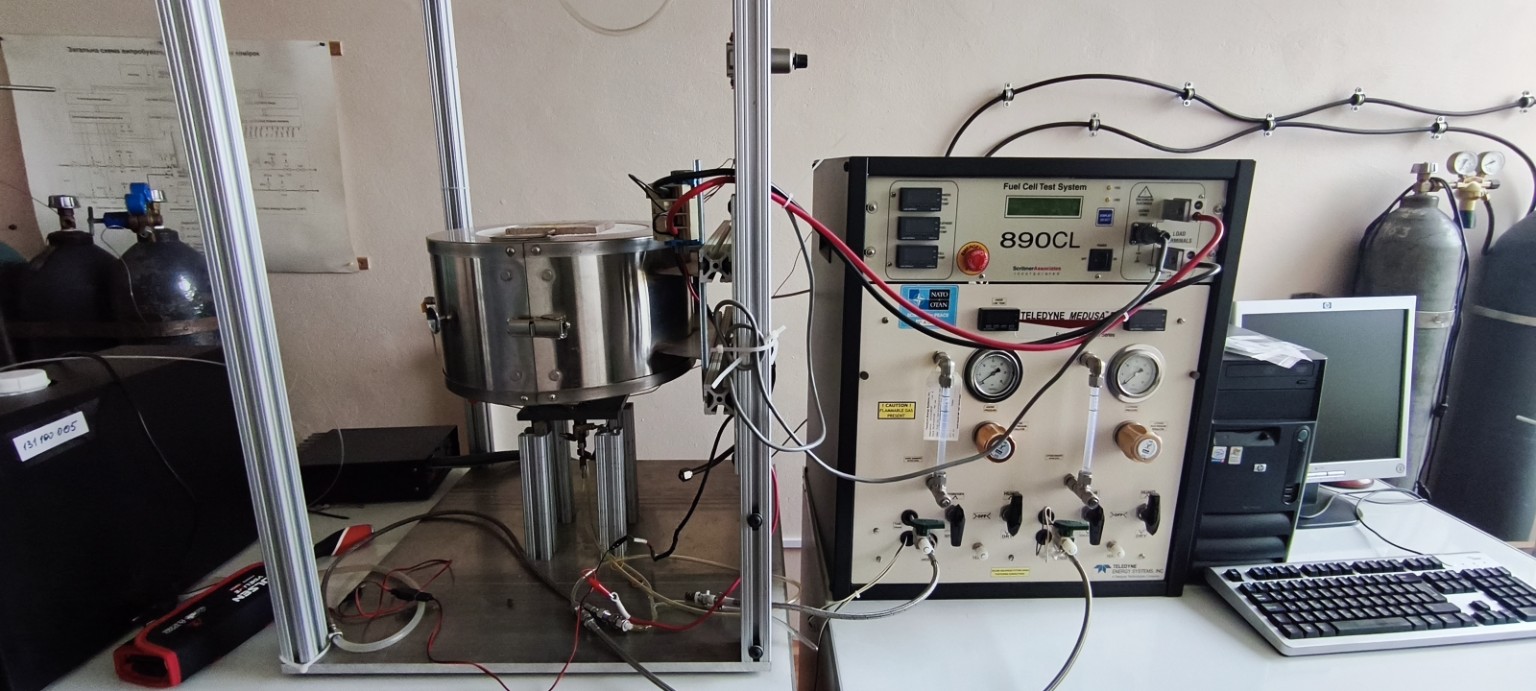
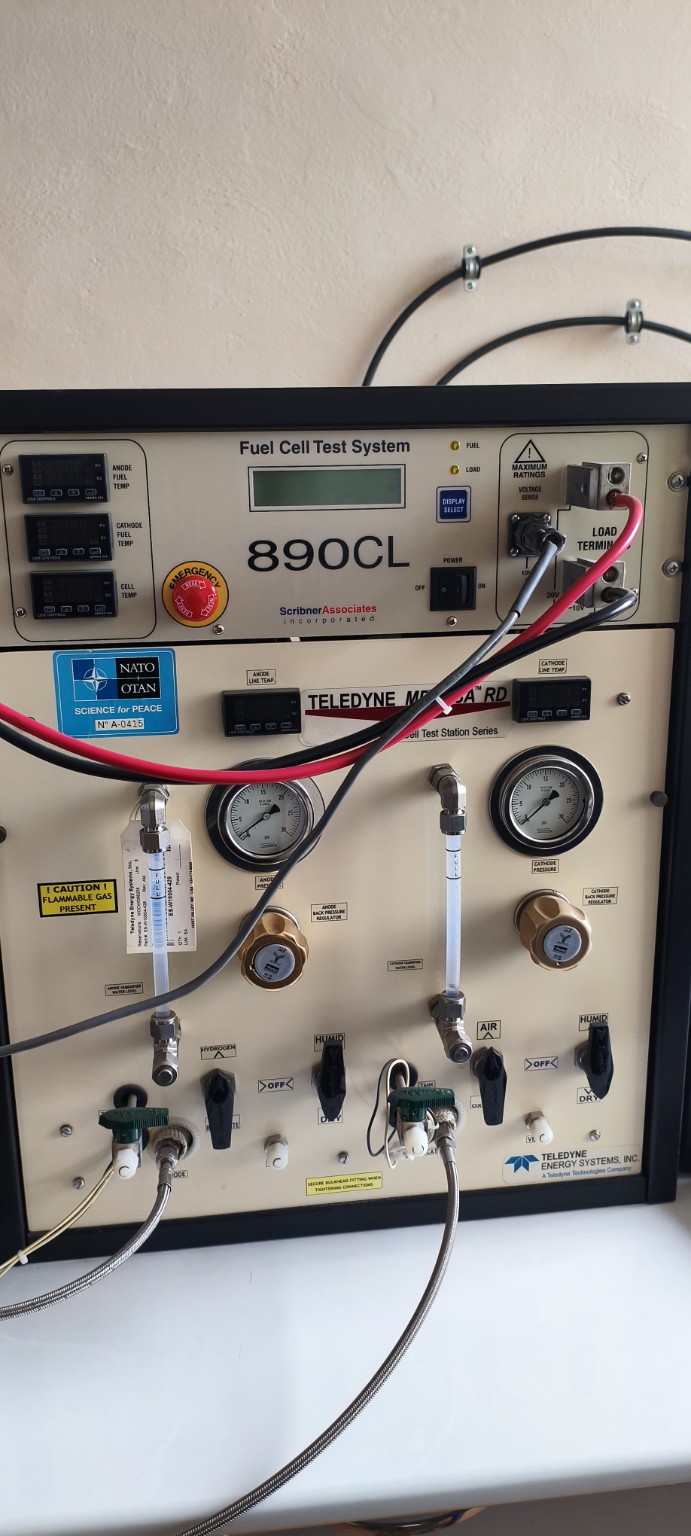
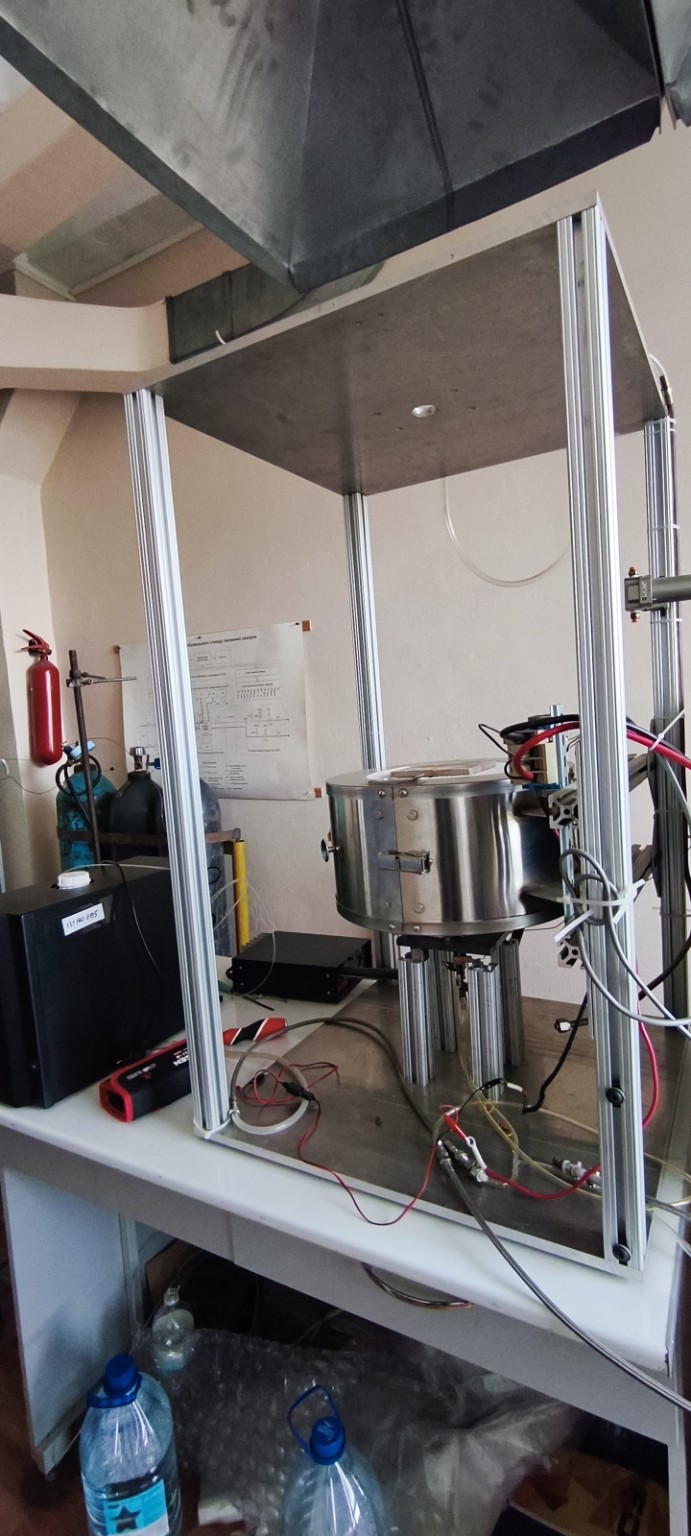
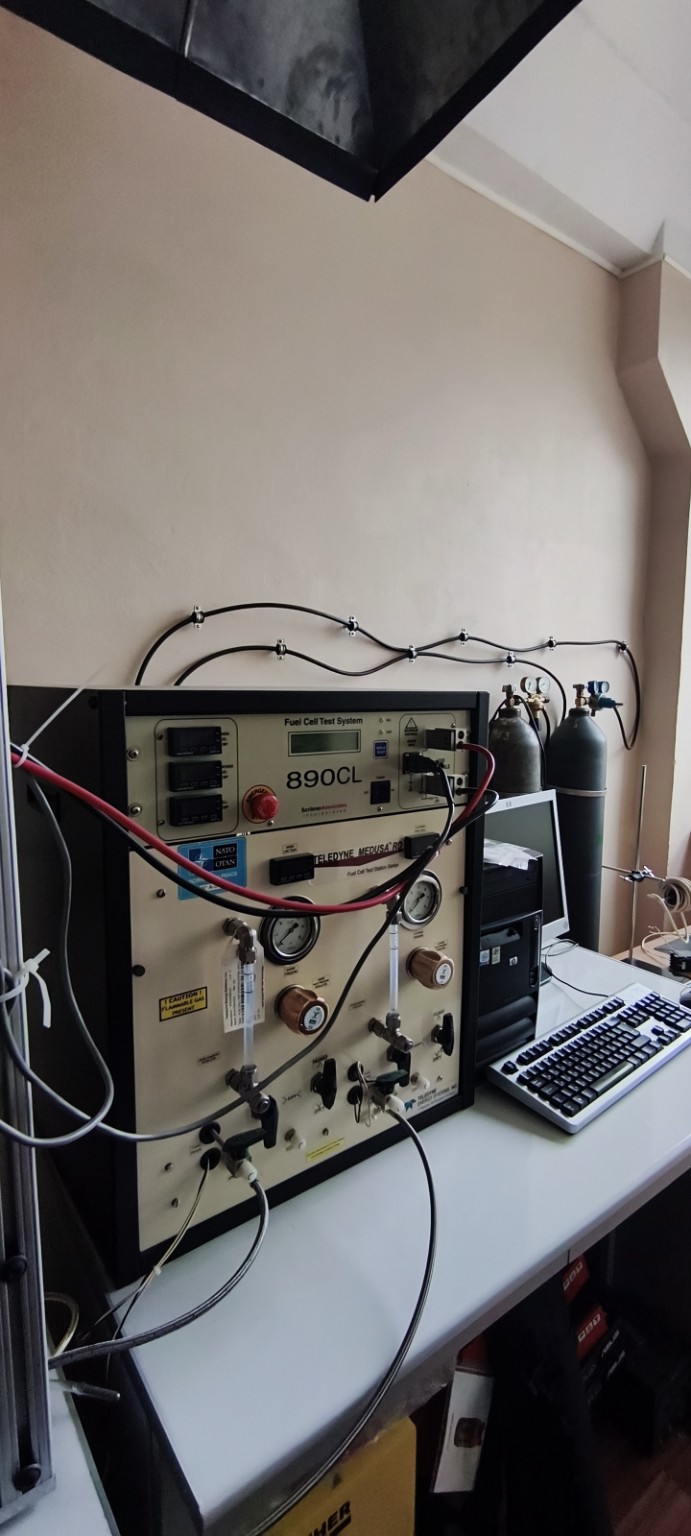
Each period left results: publications, people, samples and test systems. We draw on that research tradition as we develop a modern programme of our own modules.
A research tradition at the heart of the next engineering step.
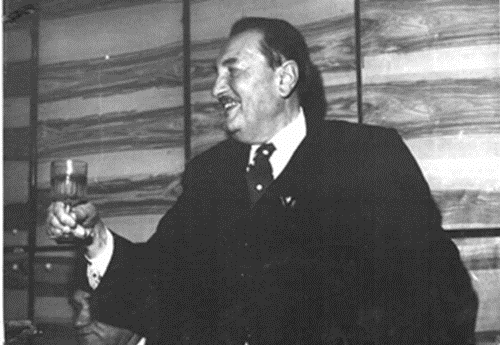
O. K. Davtyan publishes his monograph on the direct conversion of fuel energy into electricity.
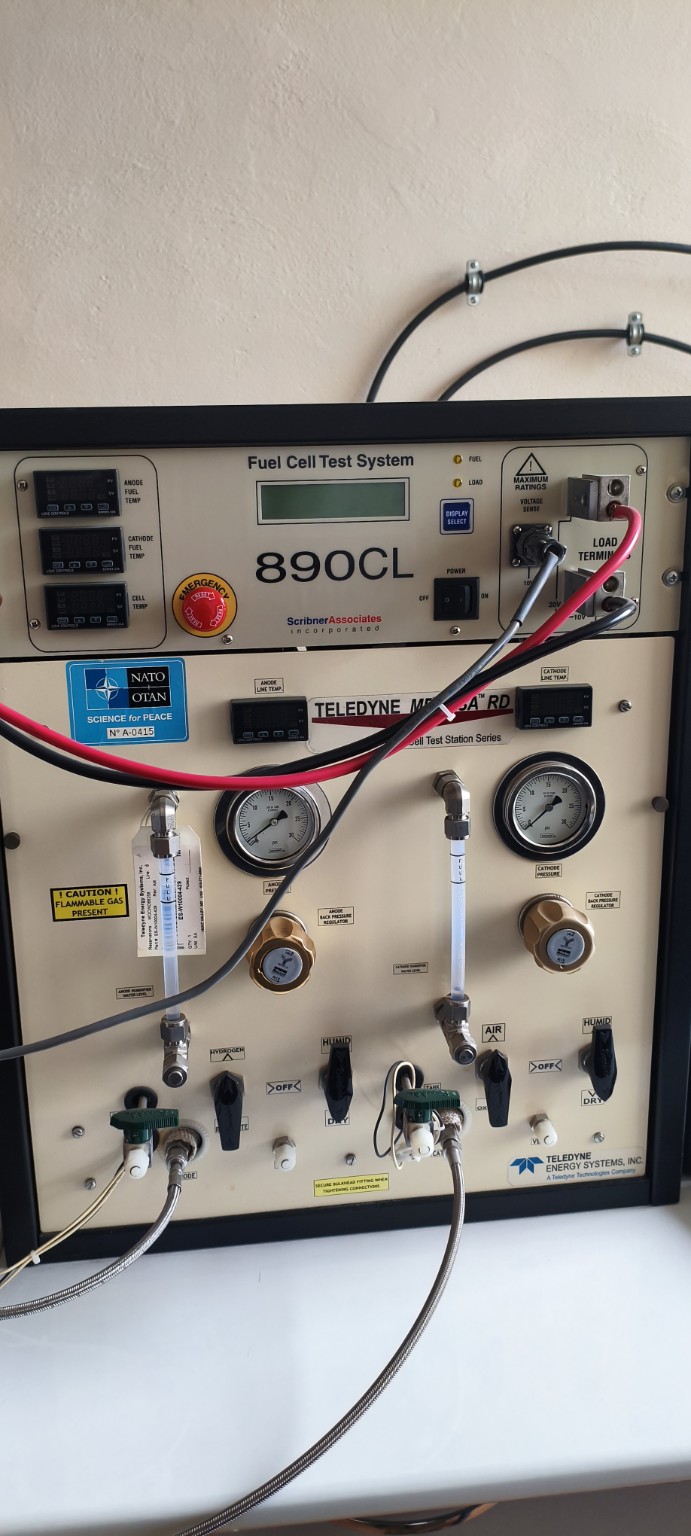
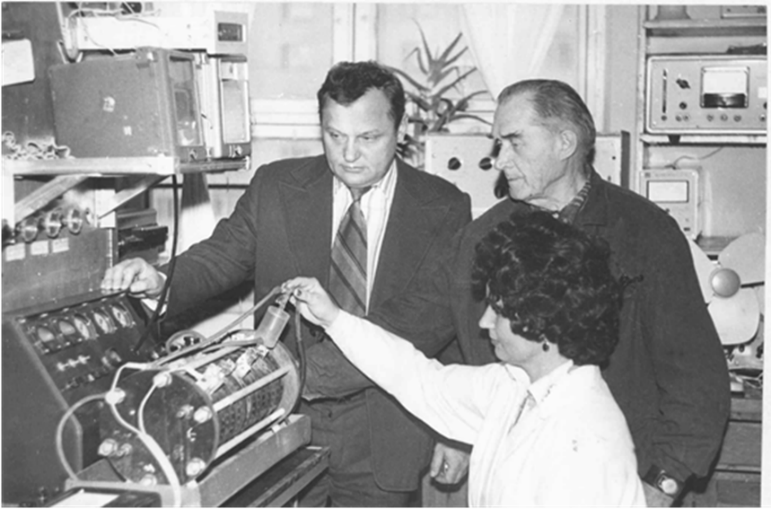
O. K. Davtyan establishes a fuel-cell laboratory in Odesa, where experimental installations are developed.
Kyiv hosts a NATO Advanced Research Workshop; the international research appears in a scientific volume.
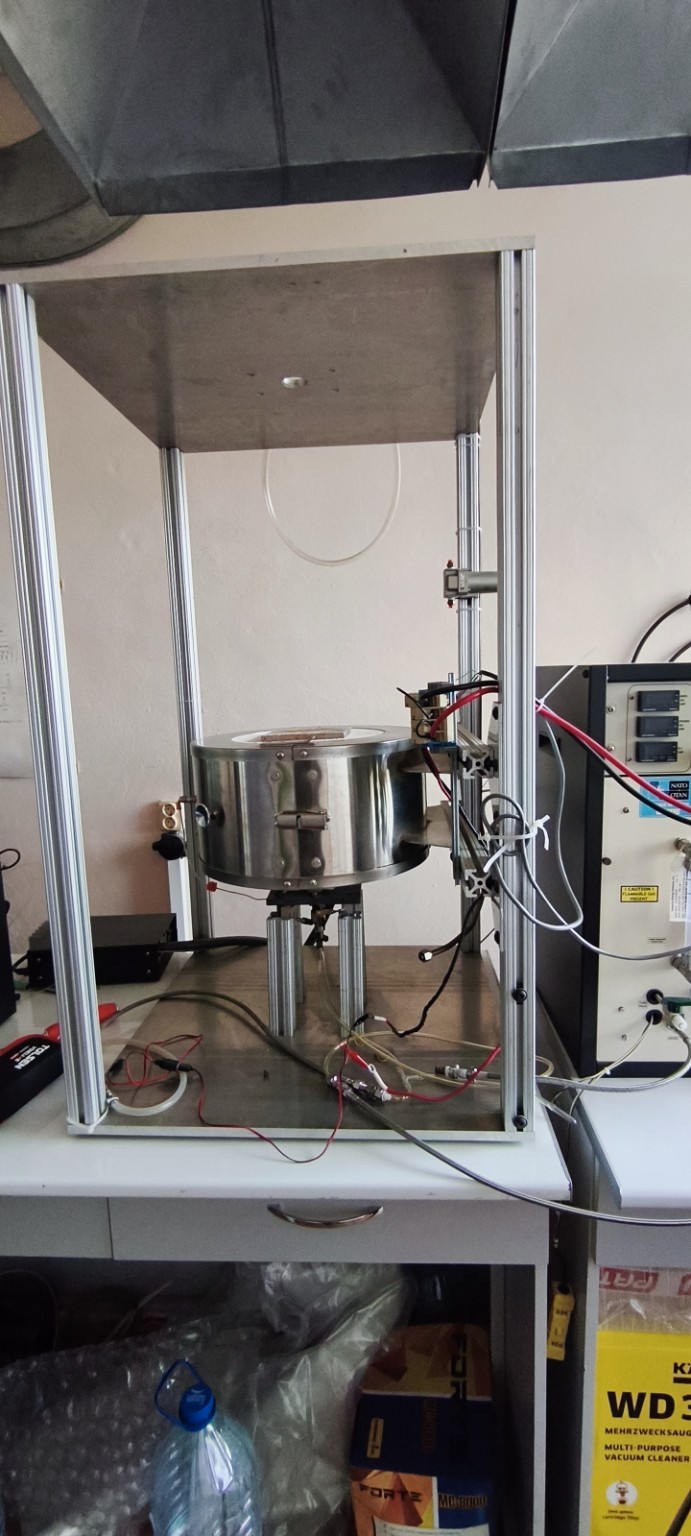
The team develops a new engineering programme: a 1500 W SOFC generator prototype, followed by 5, 10 and 25 kW base assemblies.
From an early spark to a research prototype.
Images reproduced from O. Vasylyev and colleagues’ Ukrainian Energy Strategy (2022). They show the research context and its results, not a range of finished Zirconia Ukraine products.
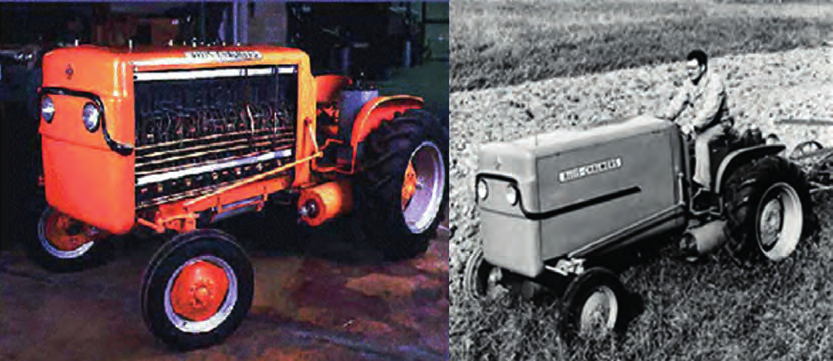
The publication recounts how a magazine image of this tractor helped spur O. K. Davtyan’s work in Odesa.
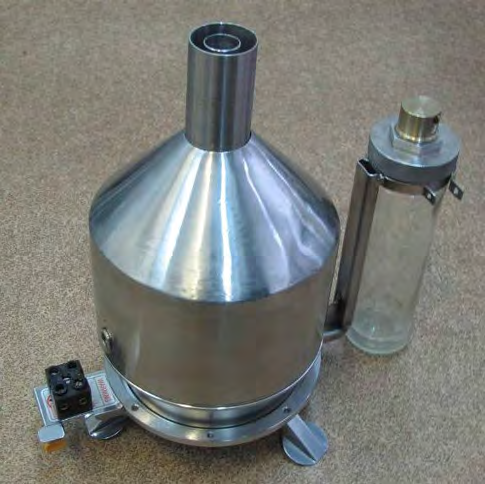
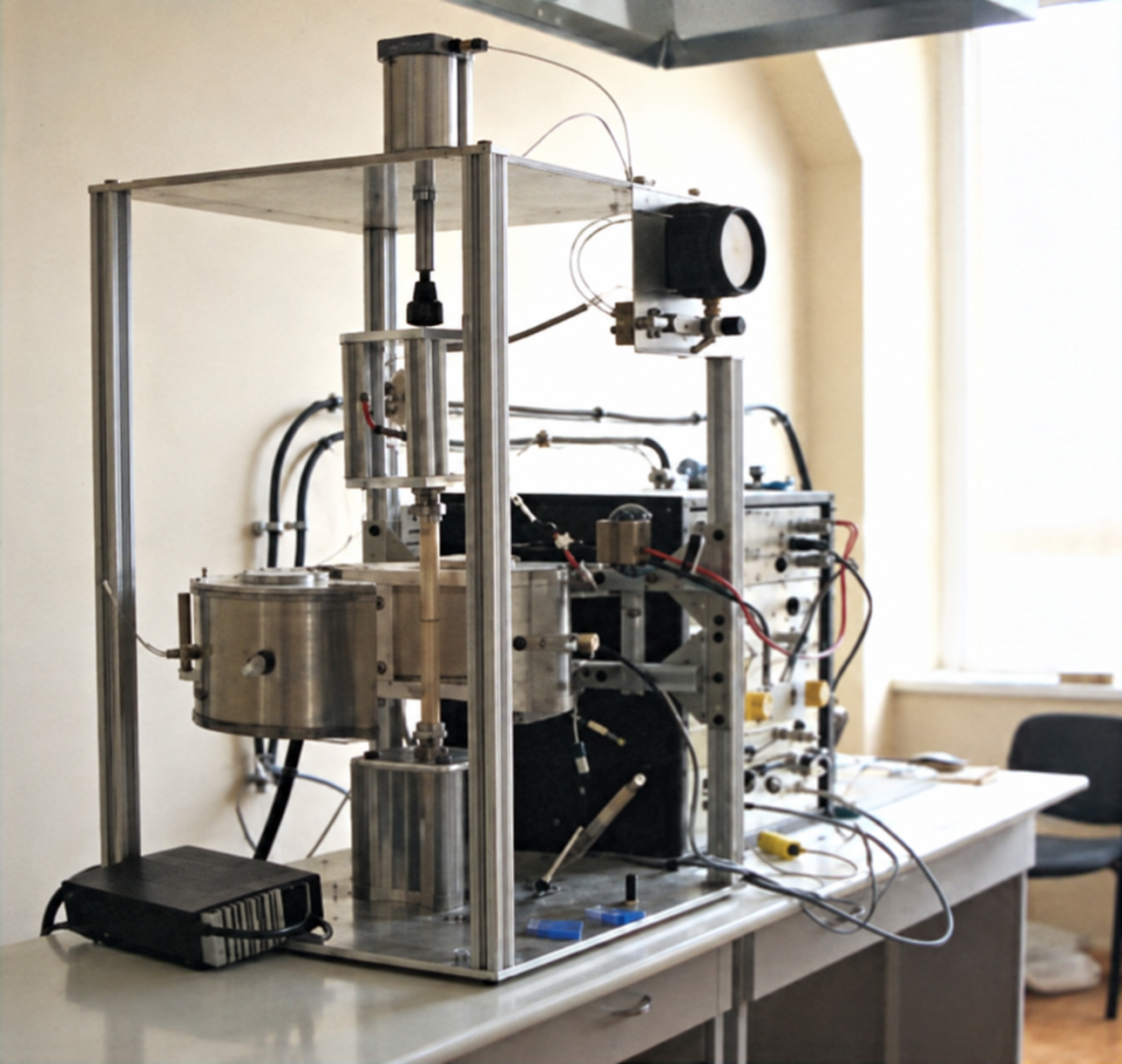
The research device produced electricity from natural gas; the publication lists its voltage as 3.5 V. Its production year has not been confirmed.
The research continues.
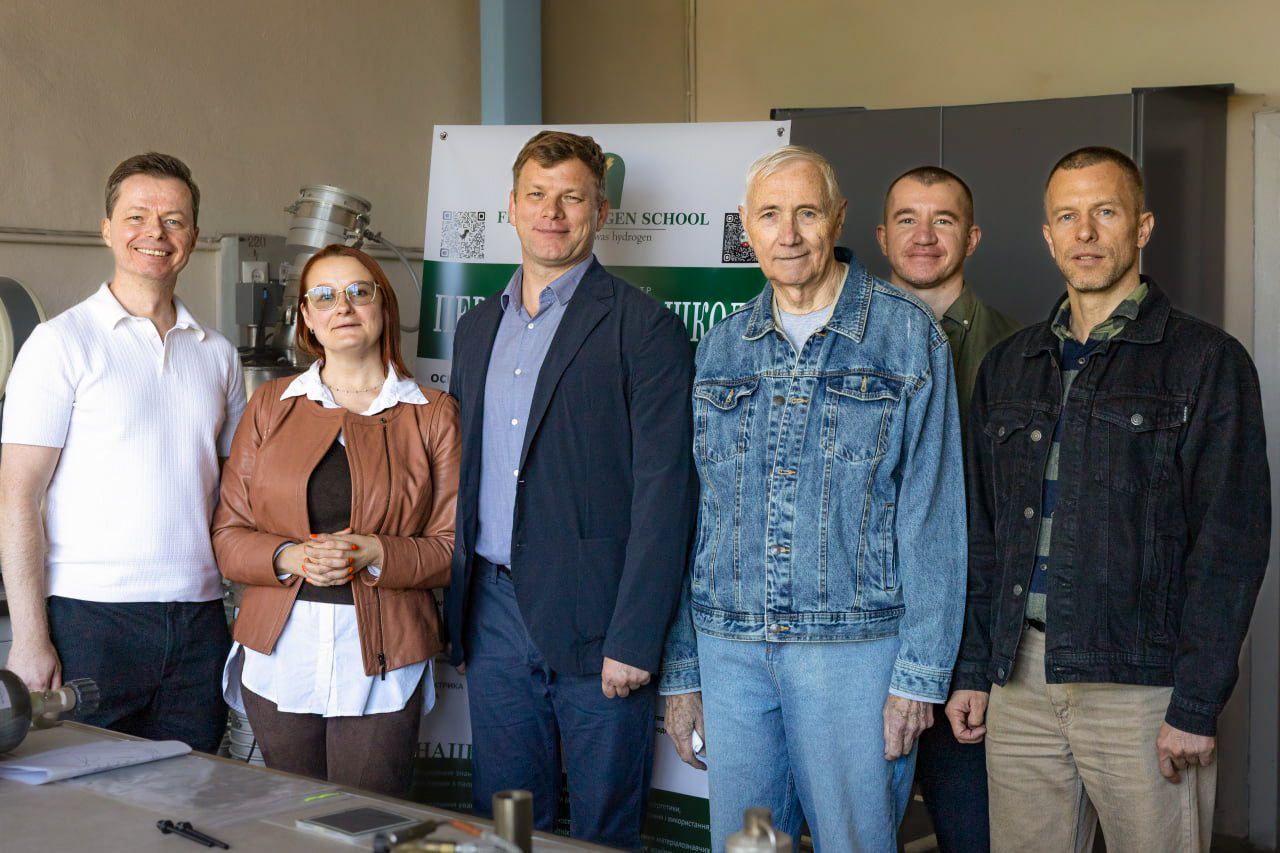
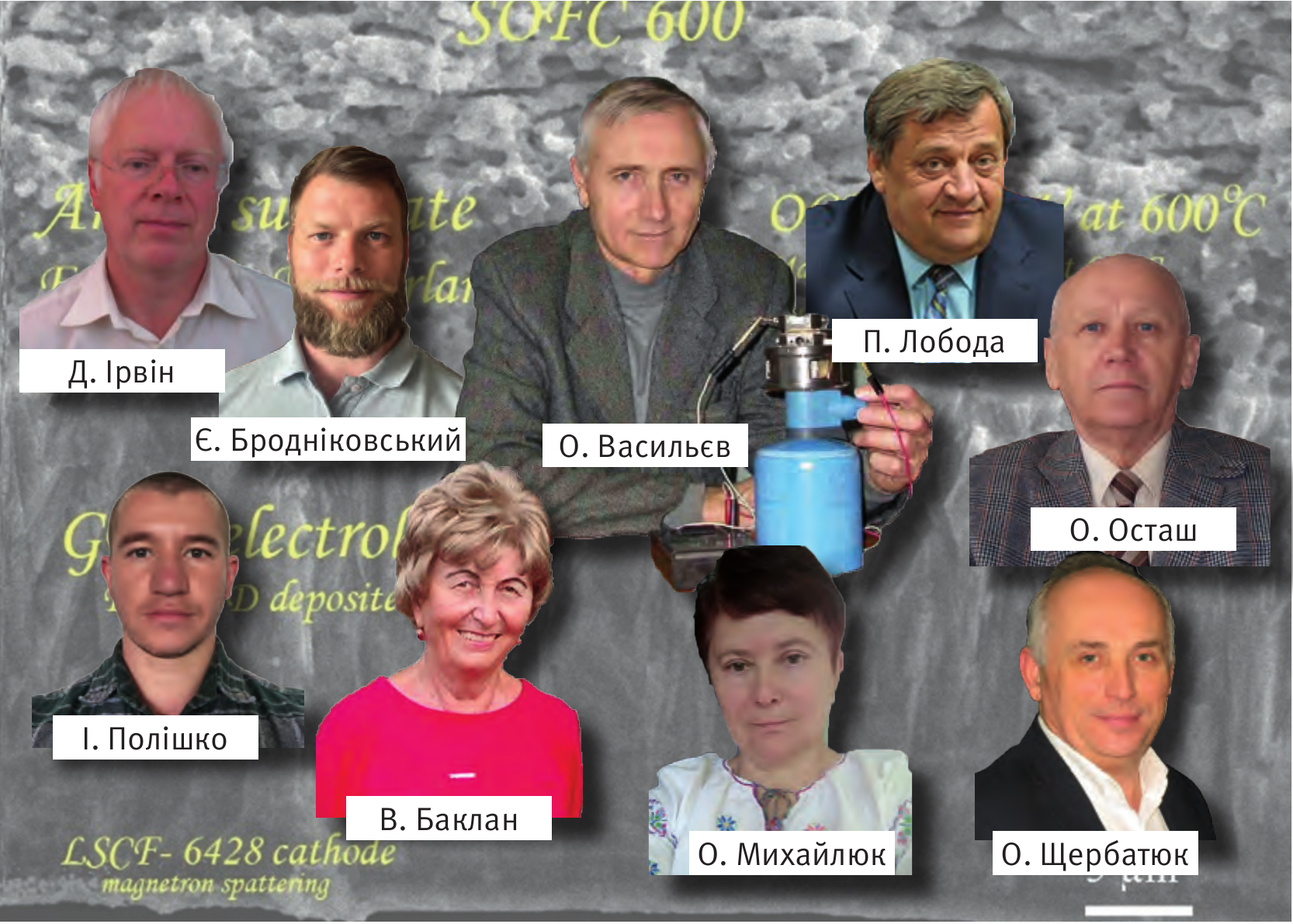
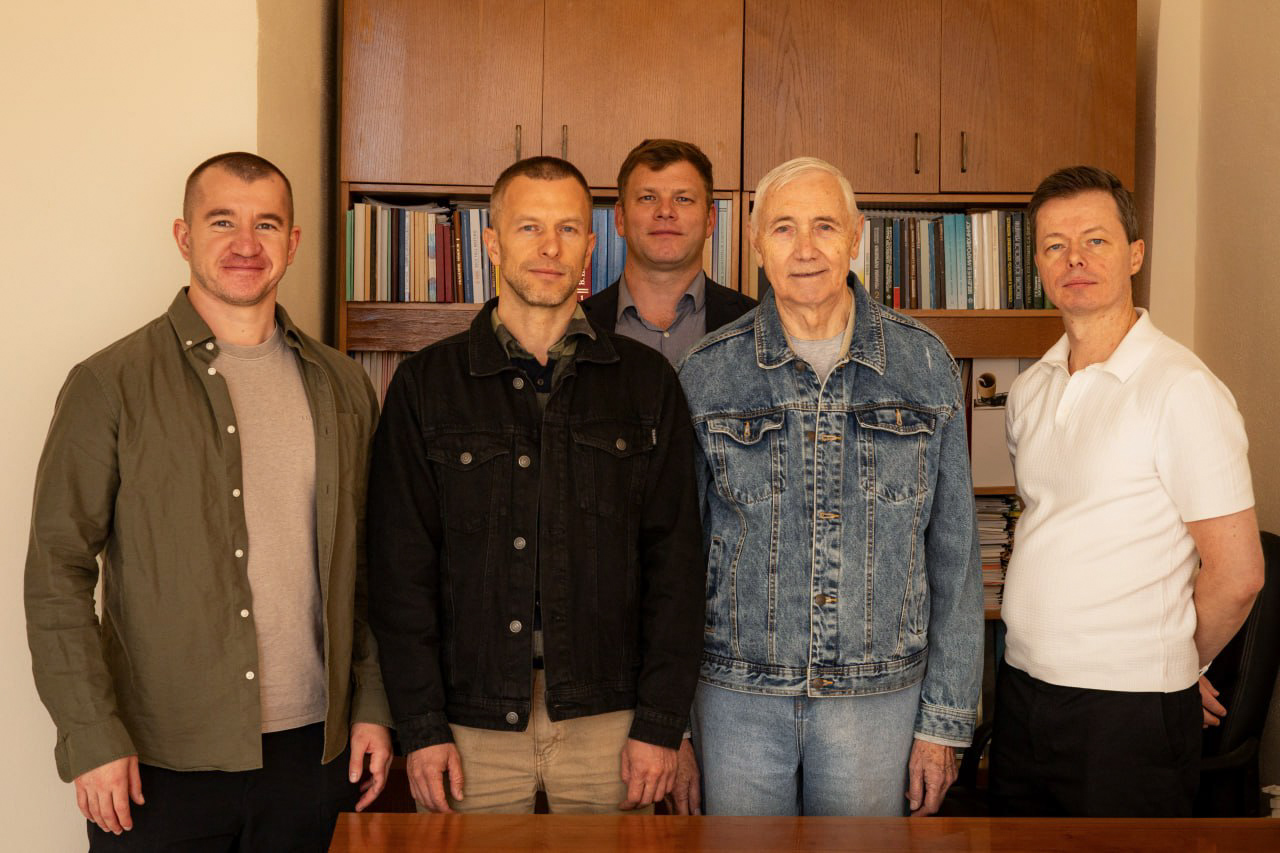
Professor O. D. Vasylyev established ceramic fuel cell research at the I. M. Frantsevych Institute for Problems in Materials Science of the National Academy of Sciences of Ukraine and remains its scientific leader. Yehor Brodnikovskyi continues this line of research: he heads the Ceramic Fuel Cell Laboratory and coordinates the work of younger researchers.
Yehor Brodnikovskyi is also Director of First Hydrogen School, with Professor Vasylyev as its Vice-Director. The education centre teaches students and professionals about fuel cells and hydrogen technologies.
Visit First Hydrogen School ↗